Arbitrage in the Dark: Crypto Mining and the Economics of State Failure in Lebanon
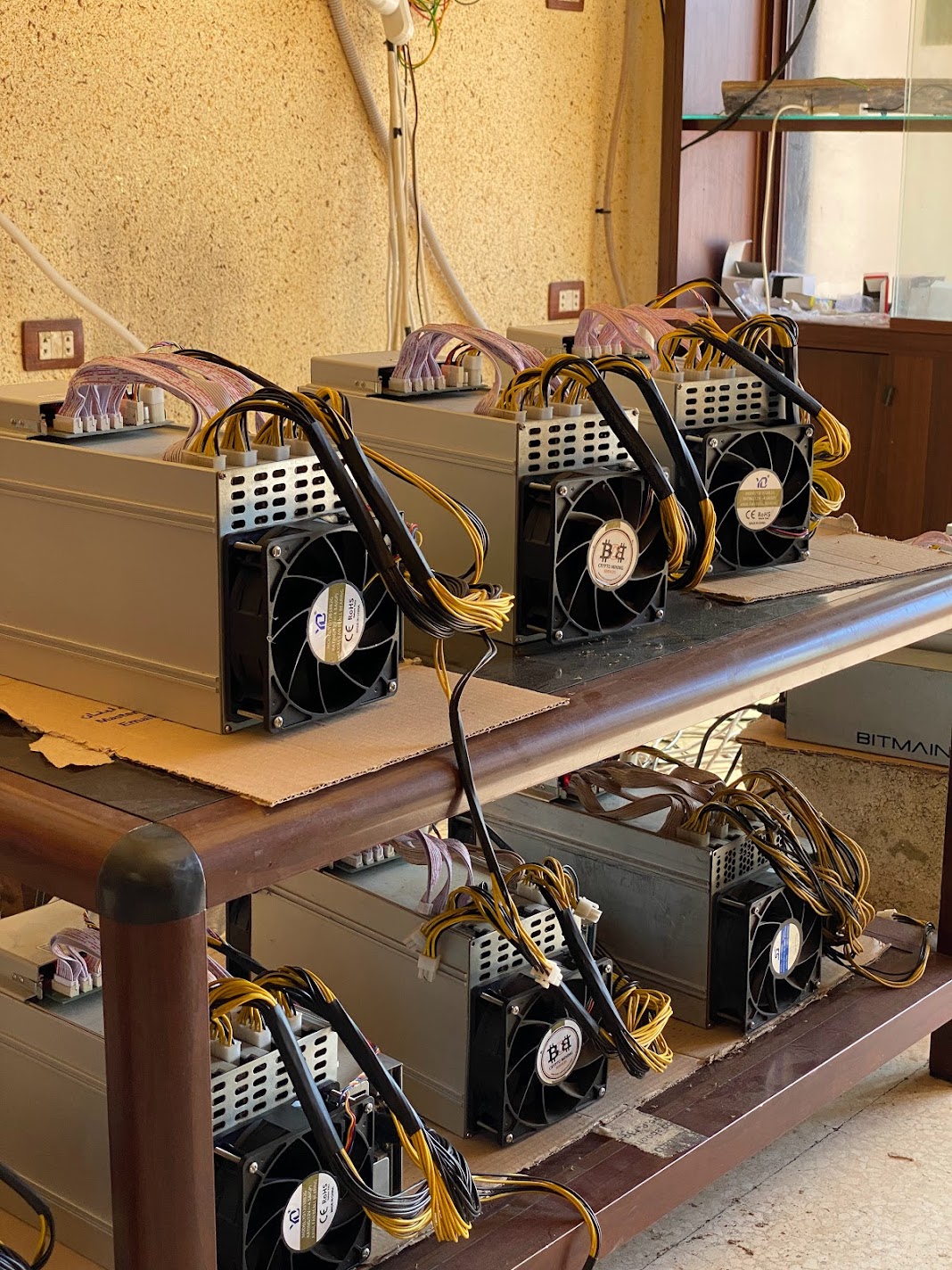
OverviewWhen Lebanon's banking system collapsed and hyperinflation wiped out savings in 2019, something unexpected happened in the mountains of the Chouf region: cryptocurrency miners moved in.
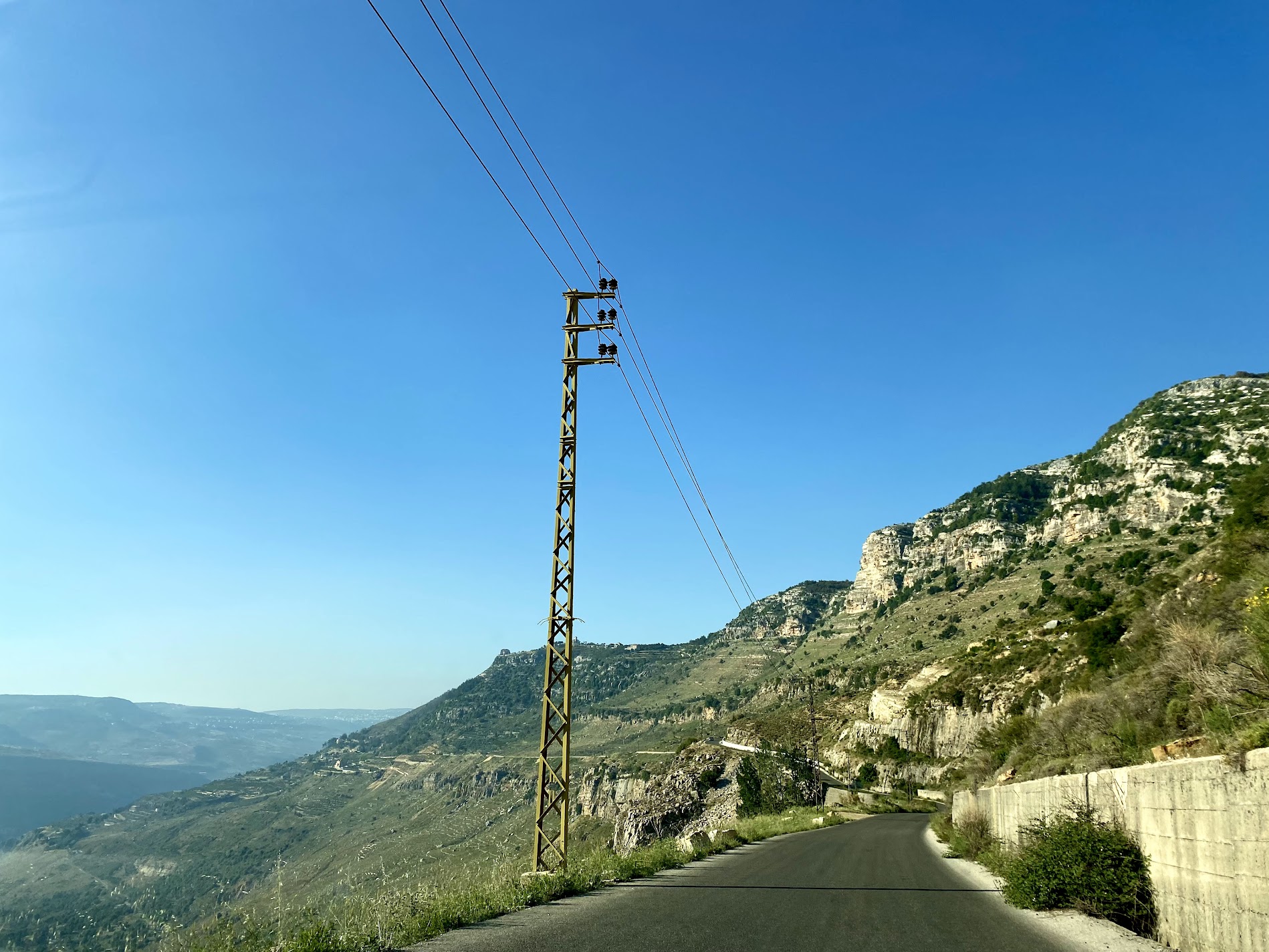
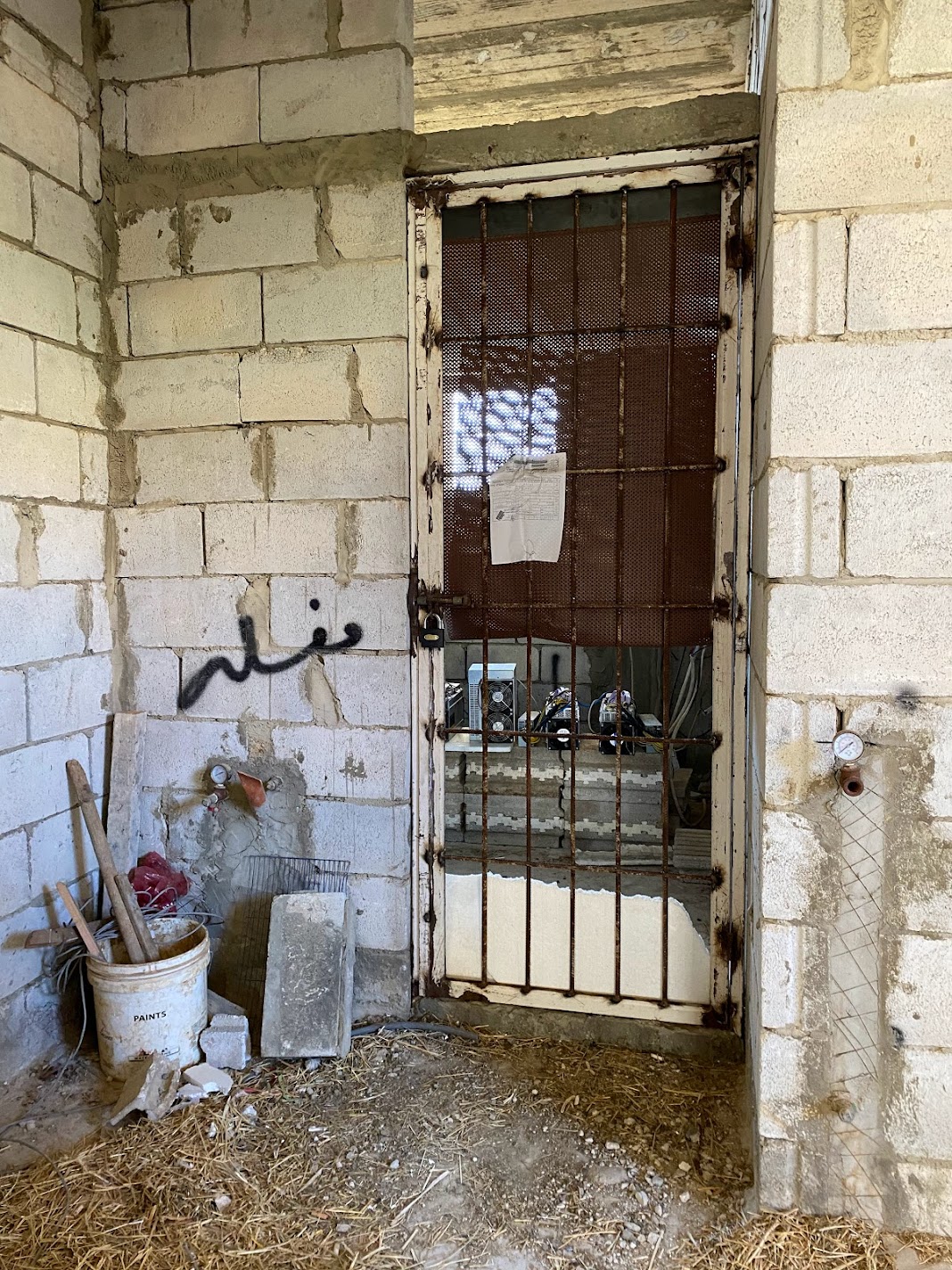
This Pulitzer Center-funded investigation documents how a cottage industry of miners identified and exploited a narrow energy arbitrage opportunity created by state failure. When Lebanon's national grid fell into 20-hour daily blackouts, crypto miners took advantage of three functioning hydroelectric dams still powering 200 villages, setting up operations that eventually destabilized the local grid and the politics of Lebanon's fragile economy.
This investigation is a case study in how informal capital responds to infrastructure breakdown: how actors identify gaps between official systems and operational reality, route around failing institutions, and create new economic activity in the space the state can no longer govern.
Based on two months of fieldwork and a national-scale survey of Lebanese miners, the research maps the full ecosystem that emerged as Lebanon's formal financial sector collapsed, from individual operators to unregulated crypto exchanges acting as shadow banks and remittance brokers.
When centralized systems fail, capital finds new infrastructure, new routes, and new arbitrage opportunities. Understanding where and how that happens is increasingly central to assessing risk in emerging markets.
- Methods Two months of ethnographic fieldwork in southern Lebanon; national survey of cryptocurrency miners; analysis of energy infrastructure and informal financial networks
- Funding Pulitzer Center for Crisis Reporting; Peder Sather Center for Advanced Study; Berkeley Economy and Society Initiative; National Science Foundation
- Co-author Jacob Russell
- Read in Rest of World →