Supply Chain Empire: Infrastructure, Power, and the Making of Global Logistics
Supply chains organize power and space on a global scale.
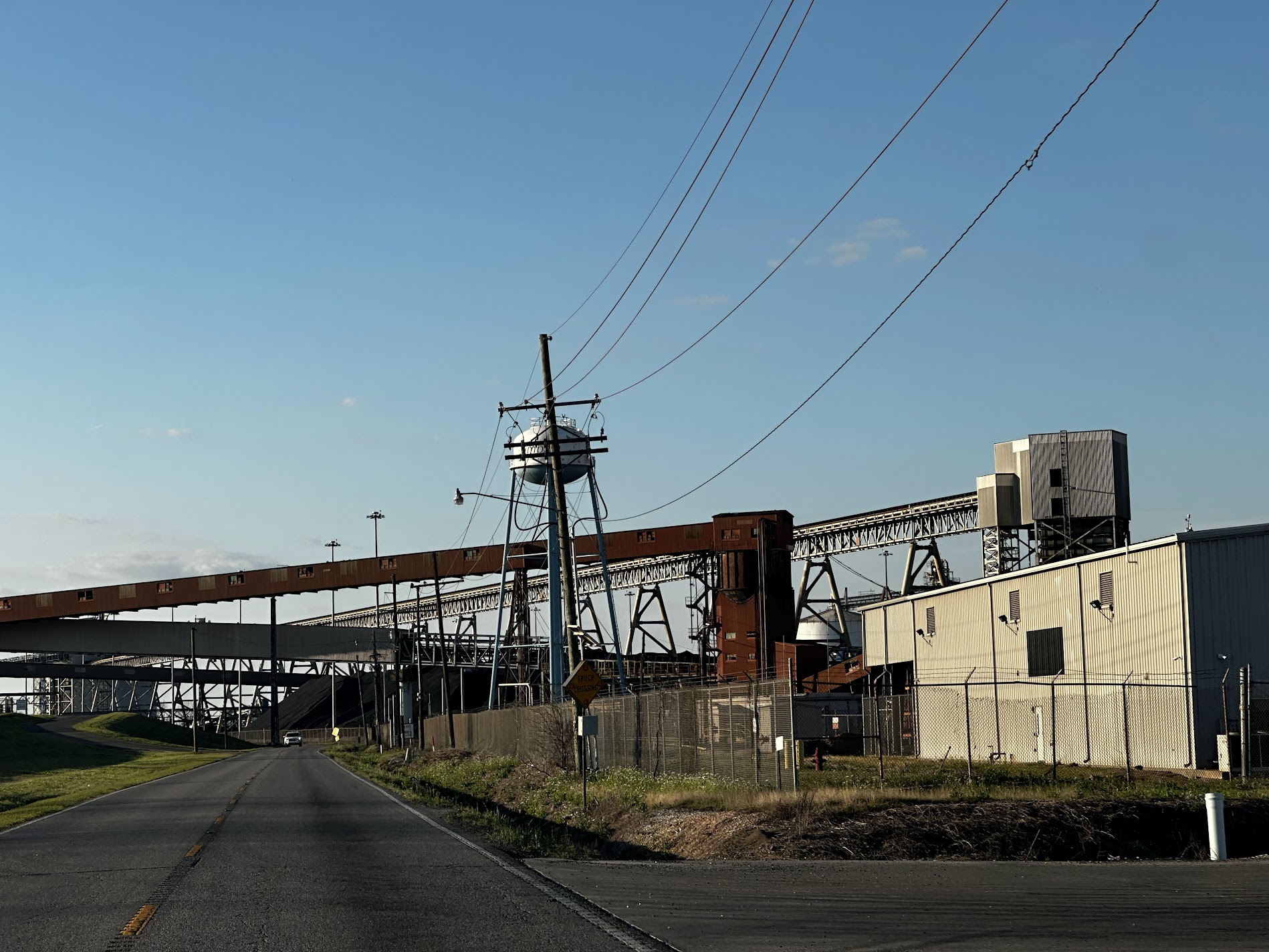
This research examines how the U.S. Gulf Coast became one of the world's most consequential logistics hubs, and how that geography was built, contested, and transformed over 150 years. The project traces the deep history of American logistics infrastructure: how port technologies, inland waterway improvements, commodity markets, and circulation networks evolved from plantation economies into the modern supply chain architecture that underpins global trade today.
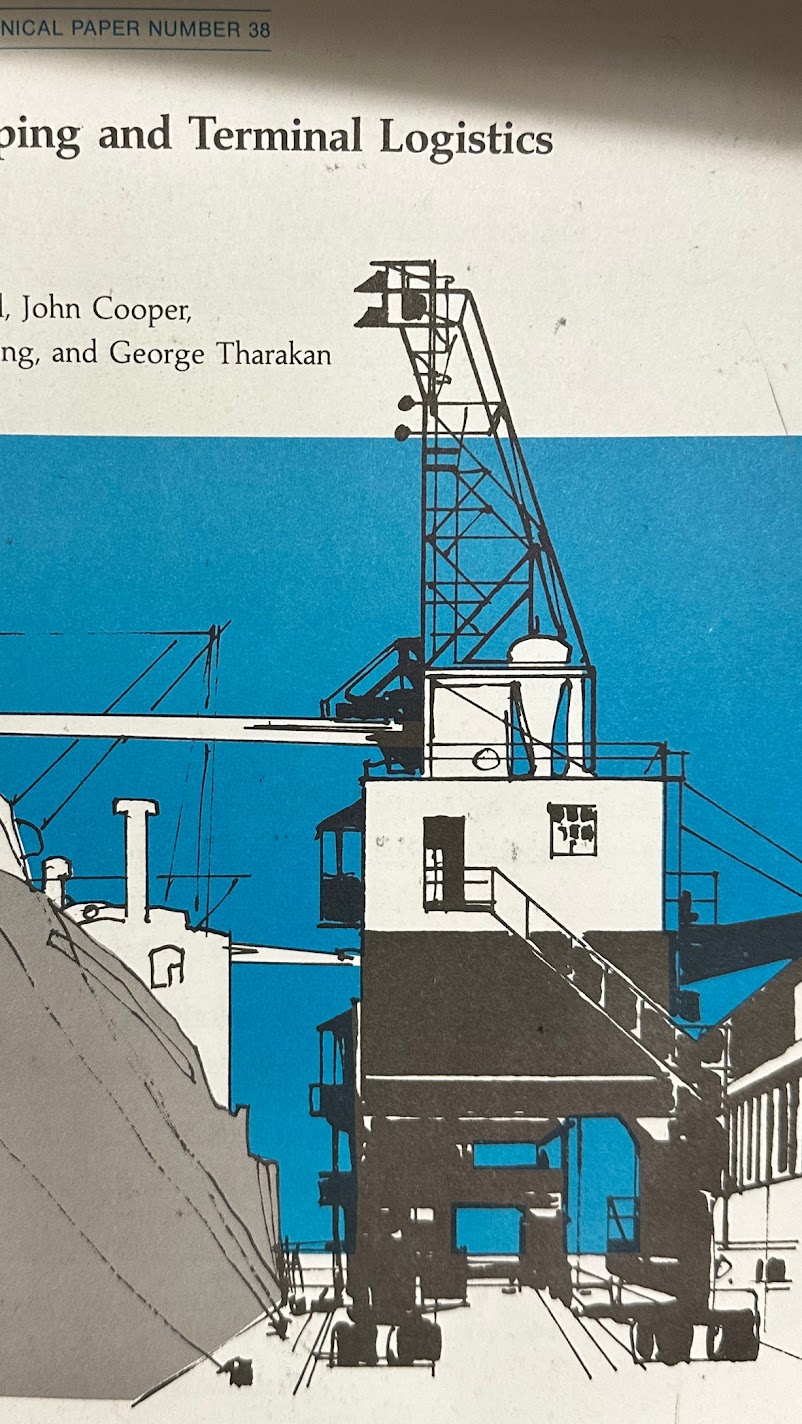
While many contemporary accounts of the logistical economy center on the advent of containerization, I tell this story from "outside the box." It's a story about bulk commodities: oil, grain, coal, and critical minerals moving in massive volumes, and the infrastructure built to move them. The Gulf Coast remains the primary corridor for U.S. bulk commodity exports. It is also a site of geopolitical and ecological risk. Understanding how that geography was made is essential to understanding how it might be managed, contested, or transformed today.
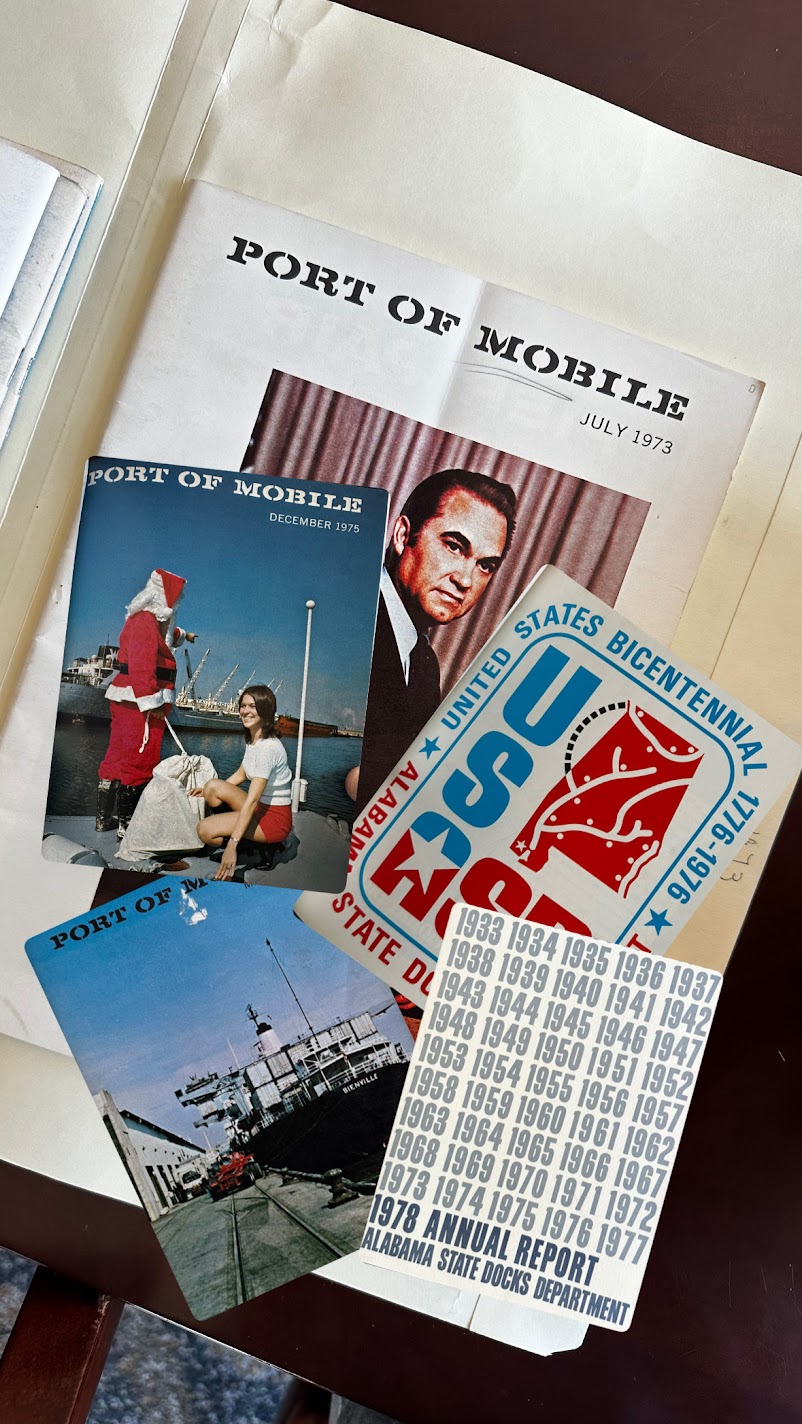
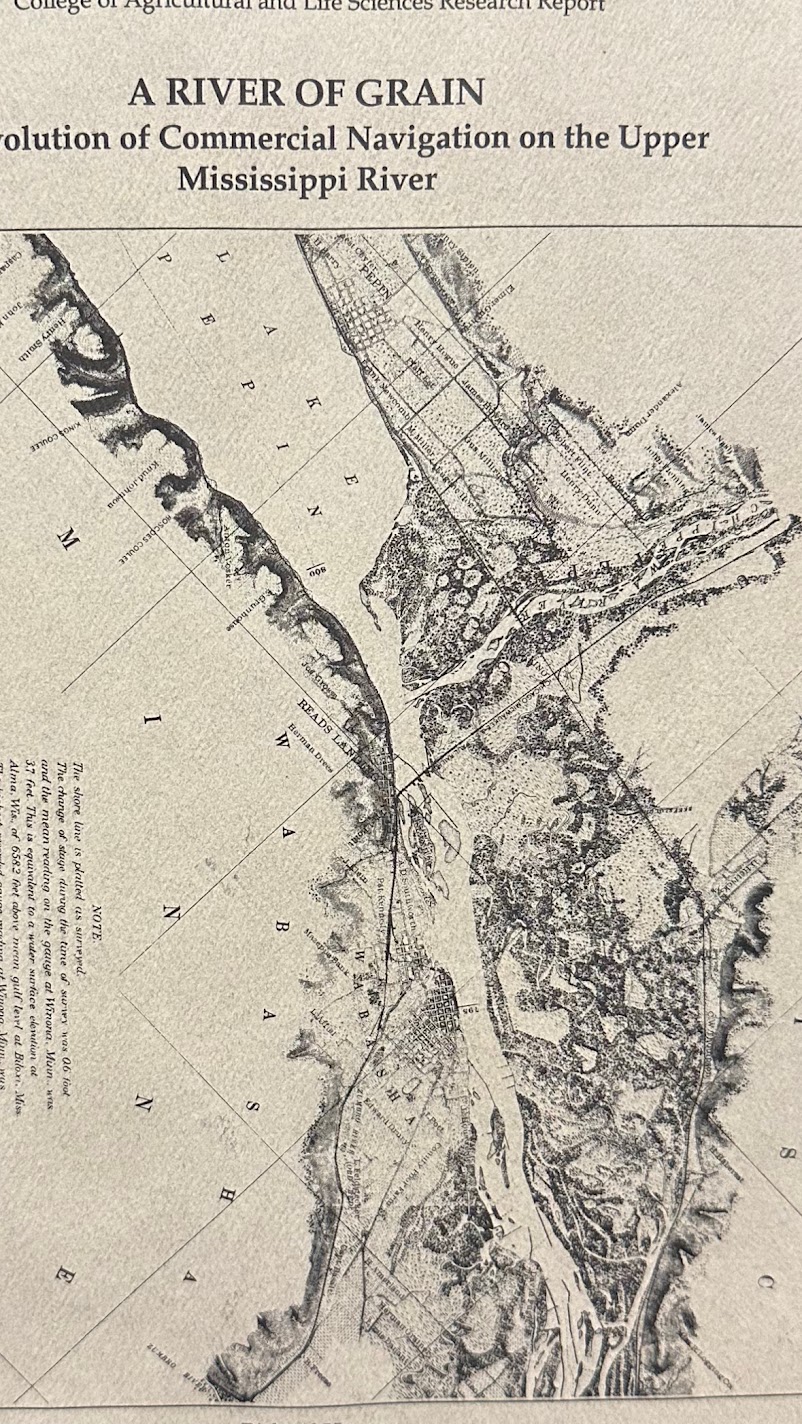
- Methods Archival research across 6+ sites in Alabama, Louisiana, Georgia, North Carolina, Missouri, and Tennessee; GIS and spatial analysis; historical data on commodity flows and infrastructure development
- Funding National Science Foundation; UC Berkeley Department of Geography
- Status In progress